
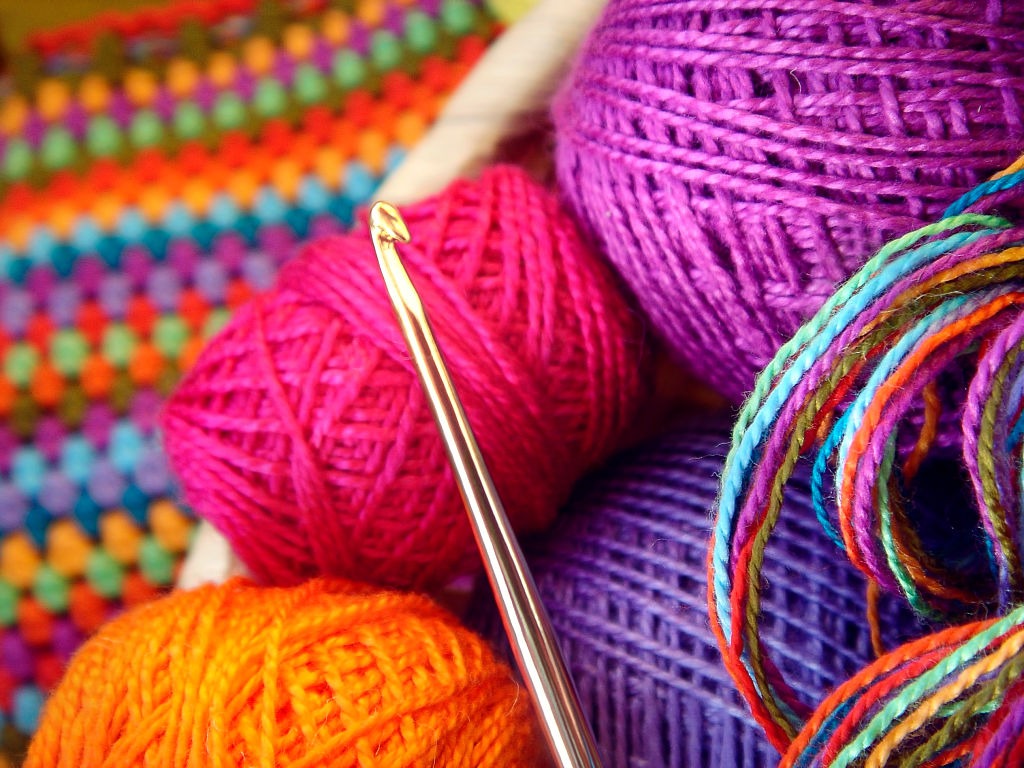
Learning crochet can be relaxing, creative, and incredibly rewarding. You can turn a simple ball of yarn into beautiful blankets, scarves, bags, hats, home decorations, and thoughtful handmade gifts. However, like learning any new skill, crochet can feel a little confusing in the beginning.
If your first project does not look exactly like the pattern, don’t worry. Making mistakes is a normal part of learning crochet. Even experienced crocheters sometimes have to undo a few stitches and try again.
The good news is that most beginner crochet mistakes are easy to recognize and fix once you know what to look for.
In this guide, we will discuss 7 common crochet mistakes beginners make and how to avoid them, so you can crochet with more confidence and enjoy the process.
1. Choosing the Wrong Yarn and Crochet Hook
One of the first mistakes beginners make is choosing yarn and a crochet hook without checking whether they work well together.
Using a very small hook with thick yarn can make your stitches extremely tight. On the other hand, using a very large hook with thin yarn can make your stitches loose and difficult to control.
If you are following a crochet pattern, check the recommended yarn weight and hook size before starting.
The yarn label is also helpful because it usually shows the recommended crochet hook size.
How to Avoid It
Start with a medium-weight yarn and a suitable hook size. If you are completely new to crochet, choose a lighter-colored yarn because it is usually easier to see your stitches.
Always make a small test swatch if the size of your finished project is important.
2. Crocheting Too Tightly
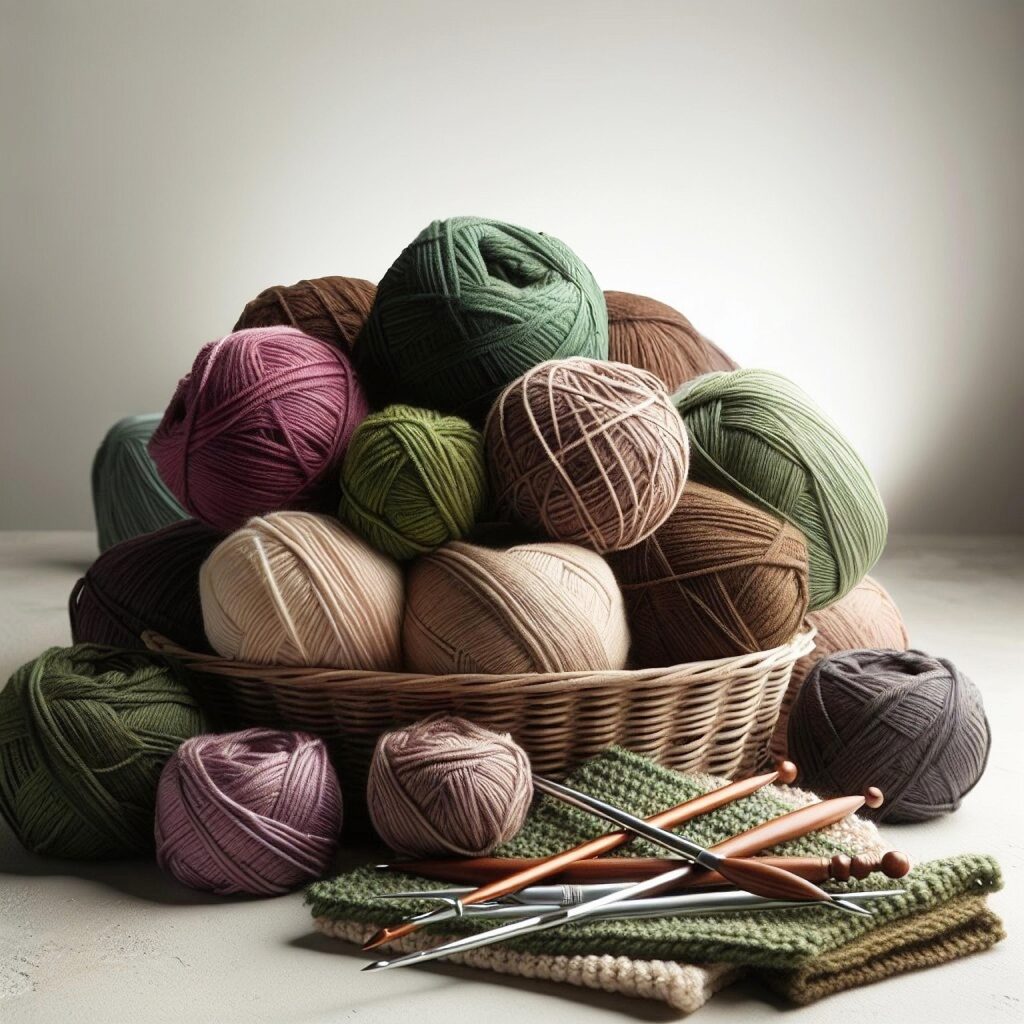
Many beginners hold the yarn and hook too tightly because they are trying hard to control every stitch.
Unfortunately, this can make crocheting uncomfortable and make it difficult to insert your hook into the next stitch.
Tight stitches can also make your finished project stiff and smaller than expected.
How to Avoid It
Try to relax your hands and let the yarn move naturally through your fingers. You do not need to pull every stitch tightly.
Practice making a few rows while focusing on keeping your tension consistent rather than making every stitch extremely tight.
If your stitches are still too tight, try using a slightly larger crochet hook.
3. Losing or Adding Stitches
One of the most common problems beginners experience is ending up with the wrong number of stitches.
You might start with 20 stitches but finish the row with 18 or 22. This usually happens because you accidentally skip a stitch, crochet into the wrong place, or add an extra stitch at the beginning or end of a row.
This can cause your project to become wider or narrower as you continue.
How to Avoid It
Count your stitches regularly.
If a pattern says you should have 20 stitches in a row, count them before moving to the next row.
Using stitch markers can also help. Place a marker in the first or last stitch of a row to make it easier to identify where your row begins and ends.
4. Not Understanding the Difference Between Stitches
Crochet patterns often use abbreviations such as SC, HDC, DC, and SL ST.
For beginners, these abbreviations can look confusing.
For example:
- SC = Single Crochet
- HDC = Half Double Crochet
- DC = Double Crochet
- SL ST = Slip Stitch
- CH = Chain
Each stitch creates a different height and texture. Using the wrong stitch can completely change the appearance and size of your project.
How to Avoid It
Before starting a pattern, read through the stitch abbreviations and instructions.
If you are unfamiliar with a stitch, practice it separately on a small piece of yarn before using it in your main project.
Learning a few basic stitches first will make more complicated patterns much easier to understand.
5. Skipping the Gauge Swatch
A gauge swatch may seem unnecessary, especially when you are excited to start a project. However, skipping it can cause problems when making items that need a specific size.
Your crochet tension may be different from the person who created the pattern. This means your finished project could turn out larger or smaller than expected.
How to Avoid It
Make a small gauge swatch before starting projects such as sweaters, hats, fitted clothing, or blankets with specific dimensions.
Measure your stitches and rows according to the pattern instructions.
If you have too many stitches, try a larger hook. If you have too few stitches, try a smaller hook.
6. Not Checking Your Work as You Go
Another common beginner mistake is crocheting several rows without checking whether everything looks correct.
You may not notice a missing stitch or an incorrect stitch until you are several rows ahead. At that point, fixing the mistake can mean undoing a large section of your work.
How to Avoid It
Take a moment to look at your project after every few rows.
Check whether:
- The edges are straight.
- Your stitch count is correct.
- The pattern is forming properly.
- You are using the correct stitch.
- The project is the expected size.
Finding mistakes early makes them much easier to fix.
7. Giving Up When the Project Isn’t Perfect
Perhaps the biggest mistake beginners can make is expecting their first project to be perfect.
Your stitches may look uneven. Your edges may not be completely straight. You may accidentally miss a stitch. That is all part of learning.
Crochet is a skill that improves through practice.
Instead of focusing on perfection, focus on understanding how each stitch works and becoming more comfortable with your hook and yarn.
How to Avoid It
Start with simple projects that allow you to practice basic stitches.
Coasters, dishcloths, scarves, flowers, and simple granny squares are excellent beginner projects.
Keep your early projects as a reminder of how far you have come. You will probably notice a big improvement after only a few projects.
Extra Tips for Beginner Crocheters
Besides avoiding these seven common mistakes, a few simple habits can make learning crochet much easier.
Practice Consistent Tension
Try to keep your yarn tension similar throughout your project. Consistent tension creates more even stitches and a cleaner finished look.
Use Stitch Markers
Stitch markers are inexpensive but extremely useful. They can help you identify the beginning of a round, mark important stitches, and prevent accidental increases or decreases.
Keep Your Pattern Nearby
If you are following a pattern, keep it somewhere easy to read. Read each instruction carefully instead of trying to remember several steps at once.
Take Breaks
Crochet should be enjoyable. If your hands or fingers feel tired, take a break and come back later.
A short break can also help you return to your project with a fresh mind.
Final Thoughts
Making mistakes is completely normal when learning crochet. The important thing is not to become frustrated when something goes wrong.
By choosing the right yarn and hook, keeping your tension relaxed, counting your stitches, checking your gauge, and paying attention to your work, you can avoid many common beginner problems.
And remember, every experienced crocheter was once a beginner too.
So grab your favorite yarn, pick up your crochet hook, and keep practicing. Your stitches will become more consistent, your confidence will grow, and your projects will get better with every row.
Happy crocheting! 🧶❤️