
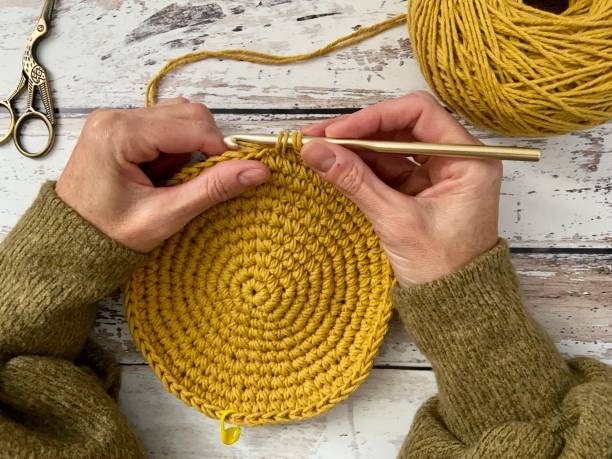
If you’ve ever seen a beautiful crochet blanket, cute amigurumi, or a handmade sweater and thought, “I wish I could make that,” you’re not alone.
Crochet might look complicated when you first see someone working with a hook and yarn, but getting started is actually much easier than it seems.
You don’t need a huge collection of supplies or years of experience. With a few basic tools, a little patience, and some practice, you can start making your own crochet projects from home.
In this beginner’s guide, we’ll walk through the basics of crochet and everything you need to know before picking up your first hook.
What Is Crochet?
Crochet is a craft where you use a single hook to turn yarn into fabric by creating loops and stitches.
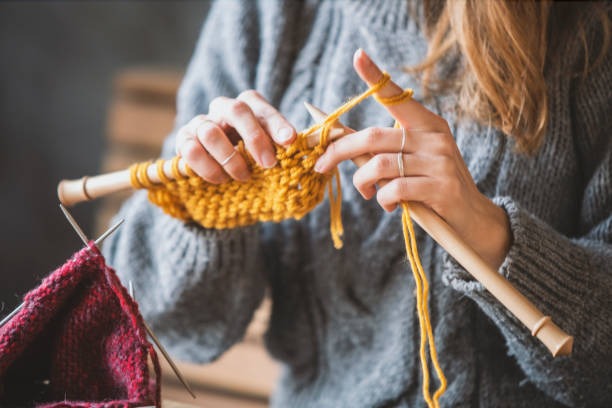
Unlike knitting, which normally uses two needles, crochet is done with one hook. That makes it relatively simple to carry around and easy to practice almost anywhere.
Once you learn a few basic stitches, you can use them to make everything from scarves and blankets to bags, flowers, toys, and home decorations.
What Do You Need to Start Crochet?
One of the best things about crochet is that you don’t need many supplies to begin.
Here are the basics:
- A crochet hook
- Yarn
- A pair of scissors
- A yarn needle
- A measuring tape
That’s really enough for your first project.
You might be tempted to buy lots of different hooks and colorful yarn when you start, but there’s no need to do that right away. Start with a few simple supplies and learn how they work first.
Choosing Your First Crochet Hook
Crochet hooks come in different sizes, and the size you need usually depends on the yarn you’re using.
For beginners, a medium-sized hook is often easier to handle than a very small one.
A hook around 4.5mm to 5.5mm can be a comfortable starting point when working with medium-weight yarn.
Look at the yarn label before starting a project. It usually recommends a suitable hook size.
Choosing the Right Yarn
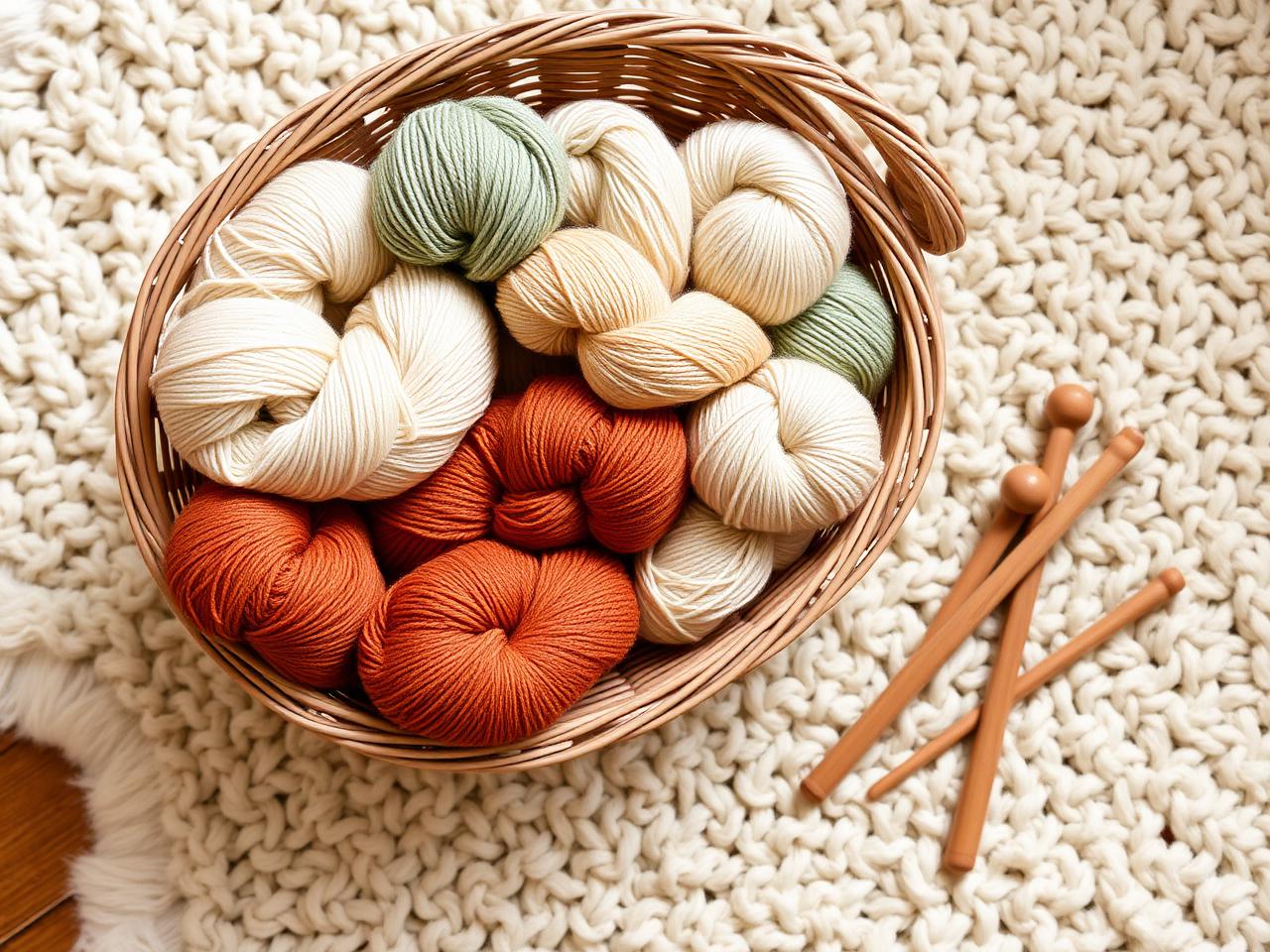
Yarn can make a surprisingly big difference when you’re learning.
For your first project, choose yarn that is:
- Smooth
- Medium weight
- Easy to see
- Not too fuzzy
Light-colored yarn is usually easier for beginners because you can clearly see where each stitch goes.
Very dark yarn can make individual stitches harder to identify, while fluffy yarn can hide mistakes.
So, save the fancy yarn for later and start with something simple.
5 Basic Crochet Stitches Beginners Should Learn
You don’t need to learn dozens of stitches before making something useful.
Start with these basic stitches and build your skills from there.
1. Slip Knot
The slip knot is usually the first step when beginning a crochet project.
It creates the adjustable loop that goes onto your hook. Once you become comfortable making it, you’ll probably be able to do it without even thinking.
2. Chain Stitch
The chain stitch is one of the most important crochet stitches to learn.
It’s often used to create the foundation of a project and can also be used to add spaces and height between stitches.
Practice making several chains in a row. Try to keep them relatively even without pulling the yarn too tightly.
3. Single Crochet
Single crochet is one of the easiest and most useful stitches for beginners.
It creates a firm fabric and is commonly used in many beginner projects.
Once you understand where to insert your hook and how to pull the yarn through, the stitch becomes quite repetitive—which is actually one of the relaxing things about crochet.
4. Double Crochet
Double crochet is taller than single crochet and creates a more open fabric.
It’s especially useful for blankets, scarves, shawls, and many decorative patterns.
It may feel slightly confusing at first, but after a few rows, the movement becomes much more natural.
5. Slip Stitch
The slip stitch is mainly used to join stitches, move across a row, or finish certain crochet projects.
It doesn’t create much height, but it’s an extremely useful stitch to have in your basic crochet toolkit.
How Long Does It Take to Learn Crochet?
There’s no exact answer because everyone learns at a different pace.
Some people understand the basic stitches after a few practice sessions. Others need a little more time before everything starts to click.
Don’t worry about how quickly someone else is learning.
Instead, focus on practicing the same basic stitches until your hands start getting used to the movements.
Even 15–20 minutes of practice a day can make a noticeable difference.
Easy Crochet Projects for Beginners
Once you’ve practiced the basic stitches, you’ll probably want to make something instead of just practicing rows.
That’s where crochet becomes really fun.
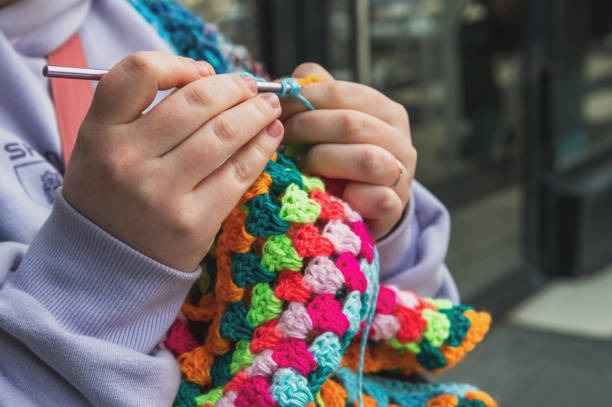
Some beginner-friendly projects include:
- Simple scarf
- Granny square
- Crochet coaster
- Small flower
- Headband
- Simple dishcloth
- Basic beanie
Start with something small.
Finishing a small project can feel much more motivating than spending weeks on a large blanket when you’re still learning.
Common Mistakes Beginners Make
Everyone makes mistakes when learning crochet.
You may accidentally skip a stitch, add an extra stitch, make your tension too tight, or lose track of your rows.
That’s completely normal.
One of the most useful habits you can develop is counting your stitches at the end of each row.
Also, don’t be afraid to undo a few stitches when something looks wrong. Sometimes starting a section again is much easier than trying to fix a mistake several rows later.
A Few Tips to Make Crochet Easier
Here are a few things that can make your learning process more enjoyable:
Start slowly. You don’t need to rush through a tutorial.
Practice the basics. Good basic stitches will make advanced patterns much easier later.
Use simple yarn. Make it easy to see what your hook is doing.
Count your stitches. It can save you from a lot of frustration.
Don’t expect perfection. Your first project is for learning, not for proving how good you are.
And most importantly, enjoy the process.
Final Thoughts
Learning crochet doesn’t have to be difficult.
Once you understand how to hold your hook, control your yarn, and make a few basic stitches, you’ll have everything you need to start creating simple projects.
Your first few rows may not look perfect—and that’s okay.
Keep practicing, try different projects, and give yourself time to improve. Before long, you’ll be surprised at how naturally the hook and yarn start to feel in your hands.
So grab your hook, choose your favorite yarn, and give it a try.
Your first crochet project is waiting. 🧶
Frequently Asked Questions
Is crochet easy for beginners?
Yes. Crochet can be learned by beginners with a little regular practice. Starting with basic stitches makes the learning process much easier.
What should I crochet first?
A simple scarf, granny square, coaster, or small flower can be a good first project.
What size crochet hook is best for beginners?
A medium-sized hook, such as a 4.5mm–5.5mm hook, can be comfortable for beginners when paired with suitable medium-weight yarn.
Can I learn crochet at home?
Absolutely. There are plenty of tutorials and beginner patterns available online, so you can learn and practice from home at your own pace.