
Handmade crochet projects can take hours—or sometimes even days—to complete. Whether you have made a cozy blanket, a cute sweater, a soft scarf, or a small home decor item, you naturally want it to stay beautiful for as long as possible.
Proper care can help protect the yarn, maintain the shape of your project, and keep the colors looking fresh.
However, not every crochet item should be washed in the same way. Different yarn materials require different care methods.
In this guide, we will explain how to care for and wash your handmade crochet projects safely and effectively.
Always Check the Yarn Label First
Before washing a crochet project, check the yarn label if you still have it.
The label usually provides important information about:
- Washing temperature
- Hand washing or machine washing
- Drying instructions
- Ironing instructions
- Yarn material
Following these instructions is one of the safest ways to protect your project.
If you do not have the original yarn label, try to remember the type of yarn you used before choosing a washing method.
Hand Washing Crochet Items
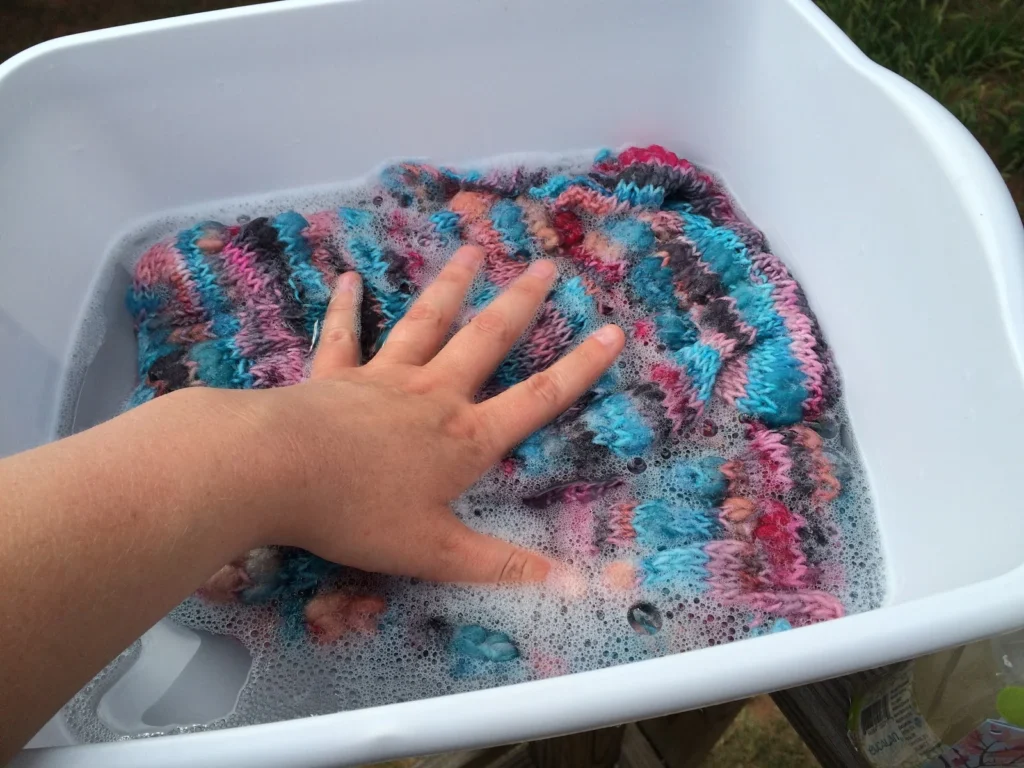
For delicate crochet pieces, hand washing is often a gentle option.
Fill a clean basin with cool or lukewarm water and add a small amount of mild detergent.
Place the crochet item into the water and gently move it around.
Avoid aggressive rubbing or twisting because this can stretch the stitches or damage delicate fibers.
After washing, rinse the item carefully with clean water.
Avoid Wringing Your Crochet
One of the most important rules when washing handmade crochet is to avoid twisting or wringing the item.
Wet yarn can become heavier and more vulnerable to stretching.
Instead, gently press out excess water.
You can place the item on a clean towel and roll the towel carefully to absorb additional moisture.
How to Dry Crochet Projects
The way you dry your crochet project is just as important as how you wash it.
For many crochet items, laying them flat to dry is a good option.
Reshape the item gently while it is damp and allow it to dry naturally.
Avoid hanging heavy wet crochet items because the weight of the water can stretch the stitches.
Caring for Acrylic Crochet
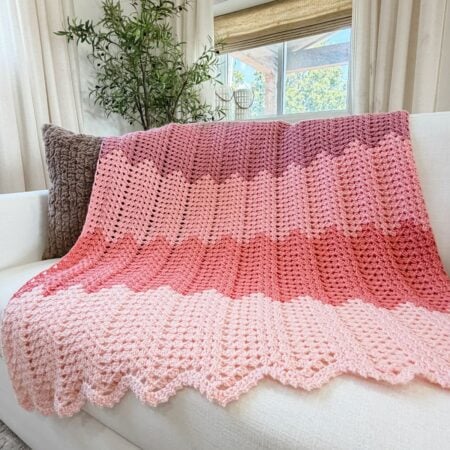
Acrylic yarn is generally easy to care for and is commonly used for blankets, hats, scarves, and other projects.
However, you should still follow the instructions on the yarn label.
Avoid excessive heat because high temperatures can affect acrylic fibers.
If using a dryer, check whether the yarn label specifically allows it.
Caring for Cotton Crochet
Cotton is commonly used for dishcloths, coasters, bags, and home decor.
It is generally durable, but cotton projects can sometimes lose their shape if handled roughly.
Wash according to the yarn label and reshape the item while it dries if necessary.
Caring for Wool Crochet
Wool requires extra care.
Some wool items can shrink or become felted if exposed to heat, agitation, or unsuitable washing methods.
For wool projects, always check the yarn label carefully.
If hand washing is recommended, use cool water and handle the item gently.
How to Remove Small Stains
If your crochet item has a small stain, you may not need to wash the entire piece.
Apply a small amount of suitable mild detergent to the affected area and gently clean it.
Avoid harsh scrubbing because it can damage the fibers or change the texture.
Always test your cleaning method carefully, especially on colorful or delicate yarn.
Store Crochet Items Properly
Proper storage can help keep your handmade projects in good condition.
Make sure the item is completely dry before storing it.
Fold blankets, scarves, and clothing neatly instead of leaving them compressed for long periods.
For long-term storage, use a clean, dry storage container or breathable fabric bag.
Avoid storing handmade crochet items in damp areas.
Protect Your Crochet From Dust
Decorative crochet items can collect dust over time.
For small pieces, gently shake them outdoors or use a soft brush to remove surface dust.
For larger items, regular gentle cleaning can help keep them fresh.
Avoid using strong vacuum pressure directly on delicate crochet stitches.
What About Blocking?
Blocking is a technique used to shape crochet projects.
It can help straighten edges, improve the appearance of stitches, and give the project a more polished finish.
Blocking is especially useful for blankets, shawls, granny squares, and other projects where shape and size matter.
The correct blocking method depends on the yarn material, so always choose a method suitable for your yarn.
Be Careful With Embellishments
If your crochet project has buttons, beads, appliques, embroidery, or other decorations, washing requires extra care.
Check that all embellishments are securely attached.
Hand washing may be safer for decorated pieces than machine washing.
Final Thoughts
Taking care of handmade crochet projects does not have to be difficult.
The most important things are to check the yarn label, use a gentle washing method, avoid excessive heat, and allow the project to dry properly.
With the right care, your handmade crochet pieces can stay beautiful and useful for a long time.
Remember that every crochet project represents time, creativity, and effort. Taking a few extra minutes to care for it properly can help protect all that hard work.
Take care of your crochet, and it will keep bringing handmade warmth to your home for years to come. 🧶❤️